

Most healthcare organizations don’t have a marketing problem.
They have a capacity problem.
A workflow problem.
A patient engagement problem.
BraveLabs helps healthcare providers deploy AI systems that capture demand, automate repetitive work, improve patient experience, and create measurable operational efficiency.
Every manual process creates friction.
AI removes that friction.
The result is faster response times, happier patients, and more efficient operations.
Healthcare AI reduces manual work and improves patient experience.
Four Systems. One Outcome: Better Healthcare Growth.
Most healthcare organizations don’t struggle because of a lack of demand.
They struggle because demand gets lost between patient access, communication, operations, and follow-up.
BraveLabs focuses on four connected systems that influence growth across every stage of the patient journey.
Creating faster, simpler, and more consistent interactions before, during, and after care.
Every interaction shapes trust.
Reducing administrative burden through workflow automation and connected systems.
Less manual work. More capacity for patient care.
Maintaining engagement, improving adherence, and strengthening long-term patient relationships.

Every missed call is a lost visit.
It doesn’t replace your staff. It protects your revenue during peak load and after-hours.
It turns scheduling from reactive to predictive.
If you’re spending on marketing but losing calls – this is your first fix.
When these four systems work together, healthcare organizations become easier to access, easier to operate, and easier to grow.
It turns scheduling from reactive to predictive.
This is not scheduling software. This is revenue-per-hour optimization.
It turns scheduling from reactive to predictive.
It turns scheduling from reactive to predictive.
BraveLabs deploys AI systems that:
Whether a patient arrives through Google Search, social media, or your website, they receive immediate assistance.
Patients compare healthcare experiences the same way they compare every other service.
They expect:
When those expectations are not met, appointments are missed, trust declines, and patients look elsewhere.
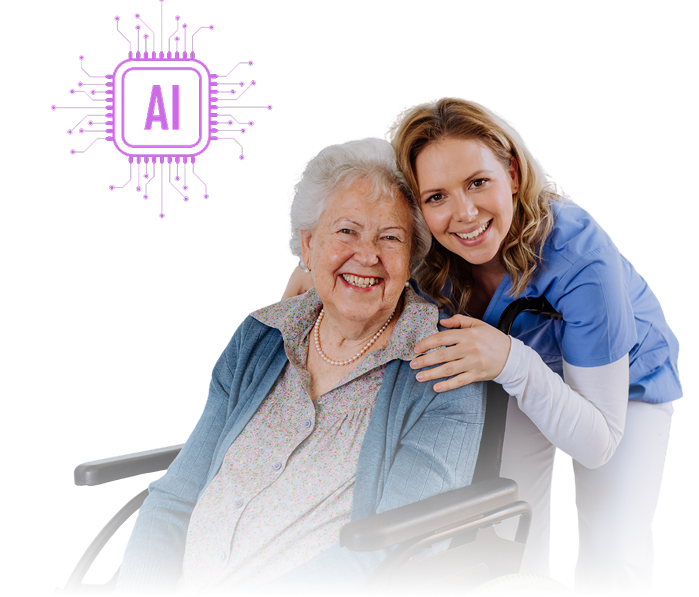
BraveLabs helps healthcare organizations deploy AI-powered patient experience systems
that create smoother, more connected patient journeys.
Many healthcare teams spend hours each week managing repetitive administrative work.
AI workflow automation reduces manual effort across:
This allows teams to focus on patient care rather than administrative tasks.
Few have systems designed to keep them engaged.
BraveLabs builds AI-powered patient lifecycle systems that:
Growth becomes more predictable when patients stay connected to your organization.

It requires trust.
Every implementation must consider:
BraveLabs designs AI systems specifically for healthcare environments.
Capture more demand through immediate engagement.
Provide consistent communication across the patient journey.
Keep patients engaged longer.
PMeasure performance through connected reporting systems.
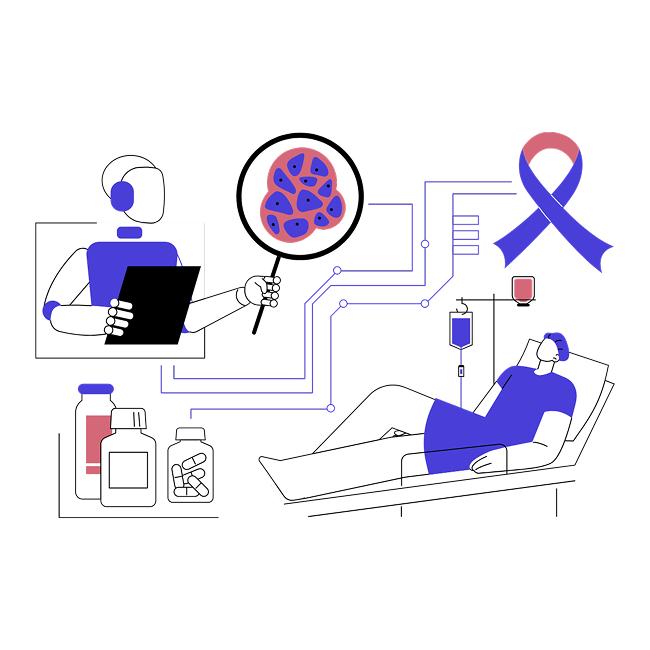
BraveLabs combines:
We don’t deploy generic AI tools.
We build healthcare-specific systems designed around patient journeys, operational workflows, and measurable outcomes.
Provider-focused AI systems deliver stronger operational outcomes than generic automation tools.
Healthcare AI refers to the use of artificial intelligence to improve patient access, communication, operational efficiency, and healthcare delivery.
Healthcare providers use AI to automate workflows, improve patient engagement, streamline scheduling, support communication, and improve operational performance.
Many organizations are adopting AI to reduce administrative burden, improve patient experience, and increase operational efficiency.
No. AI is most effective when supporting healthcare teams by automating repetitive tasks and improving workflows.
AI can help address patient access delays, communication gaps, inefficient workflows, administrative workload, and patient retention challenges.
AI can provide immediate responses, guide appointment scheduling, answer common questions, and reduce patient wait times.
An AI patient assistant helps patients find information, schedule appointments, and navigate healthcare services more efficiently.
Patients cannot choose a provider they cannot reach. Faster access often improves appointment volume and patient satisfaction.
Yes. AI systems can respond immediately to inquiries that might otherwise go unanswered.
AI patient access solutions can be integrated into websites, messaging platforms, scheduling systems, and patient communication channels.
AI helps deliver faster communication, easier scheduling, proactive reminders, and more consistent patient interactions.
Patient experience influences satisfaction, trust, retention, and long-term engagement.
Yes. AI systems can deliver timely and relevant communication based on patient needs and behavior.
Appointment reminders, confirmations, follow-ups, educational content, and feedback collection can all be automated.
Yes. Positive patient experiences often lead to better retention, stronger reviews, and increased referrals.
Workflow automation uses technology to reduce repetitive administrative work and streamline operational processes.
Patient intake, appointment reminders, referral management, follow-up communication, review requests, and patient reactivation are common examples.
Automation reduces manual effort, improves consistency, and allows teams to focus more on patient care.
Yes. Many healthcare organizations use automation to eliminate repetitive tasks and improve productivity.
Connected workflows improve communication, reduce errors, and create greater operational visibility.
AI can automate follow-up communication, identify disengaged patients, and support long-term patient engagement.
Retaining patients often improves outcomes, increases lifetime value, and creates more predictable growth.
A patient lifecycle system manages communication and engagement before, during, and after care.
Yes. AI systems can help identify patients who may be disengaging and trigger appropriate follow-up actions.
Appointment reminders, follow-up messages, reactivation campaigns, educational content, and satisfaction surveys.
Compliance depends on how AI systems are implemented, how data is handled, and the safeguards in place.
Organizations should evaluate privacy, security, workflow integration, compliance requirements, and operational impact.
Yes. Many AI solutions can integrate with existing communication, scheduling, CRM, and operational systems.
Healthcare AI systems should be designed with strong privacy controls, secure infrastructure, and compliance considerations.
Healthcare environments require additional attention to patient privacy, regulatory requirements, operational reliability, and patient trust.
We focus exclusively on healthcare and design AI systems around patient journeys, operational workflows, and measurable outcomes.
Clinics, group practices, urgent care providers, healthcare brands, specialty practices, and multi-location healthcare organizations can all benefit from AI systems.
Yes. We help healthcare organizations identify opportunities, design systems, and implement AI solutions aligned with their goals.
We evaluate patient access, workflow efficiency, communication processes, retention opportunities, and operational bottlenecks to identify where AI can create the greatest impact.
If your team spends significant time on repetitive processes, struggles with patient communication, or wants to improve operational efficiency, an AI assessment is often the best place to start.

Discover how BraveLabs helps healthcare organizations grow faster with smarter marketing, AI-powered systems, and proven strategies.

