
BraveLabs builds and integrates regulatory compliant, scalable tech systems,
Patients searching urgent care near me typically call the first clinic that answers.
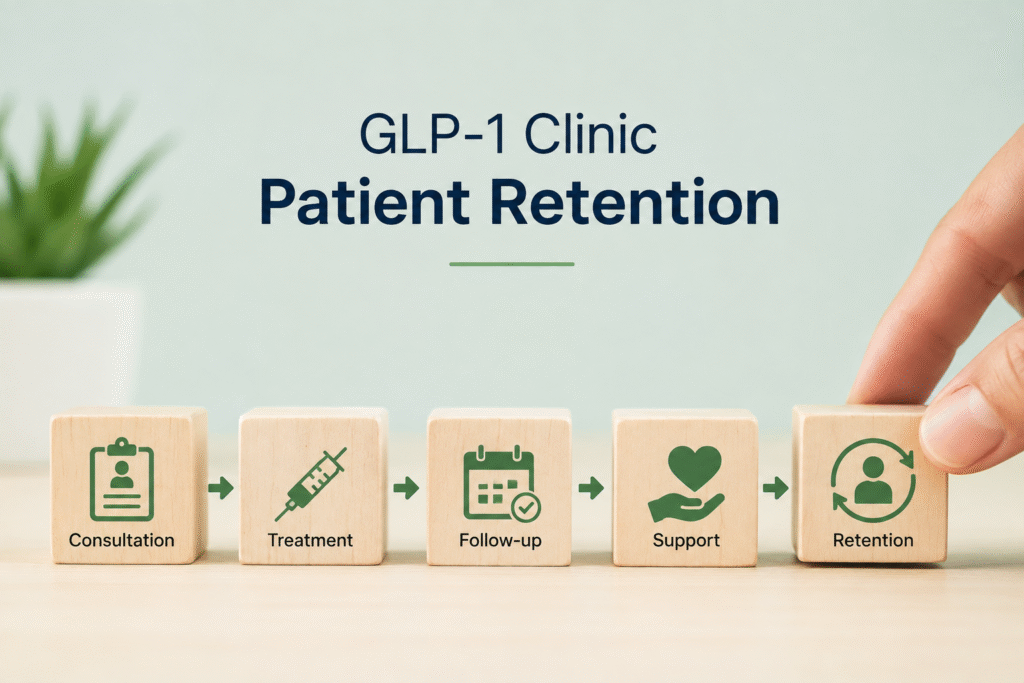
As GLP-1 access becomes easier, medication alone becomes less differentiated. The clinics that win will

Content Rethinking Patient Experiences in a Digital Era The State of Chatbots in Healthcare Today

Content Introduction The Outdated Playbook: Why Traditional Healthcare SEO No Longer Works The Rise of

Content Introduction The Changing Patient Journey The Importance of a Strong Digital Presence Engaging New Patients in the Digital Space Maintaining a Patient-Centric Approach Conclusion Introduction The way patients search for and choose healthcare providers has changed significantly over the
Attract potential patients by focusing on consistent healthcare branding, enhancing online experiences, leveraging social media, and embracing co-creation. Develop a
Discover how to maximize patient retention and demand generation for clinics through the power of differentiation and cost-effectiveness. Learn to
Discover strategies for independent physicians to overcome challenges posed by competition with larger healthcare organizations, focusing on innovative ways to
In today’s challenging healthcare landscape, Smaller caregiving facilities face financial hurdles like rising costs and declining reimbursement rates. This concise
Uncover the keys to triumph by embracing cost-cutting strategies, revenue diversification, and digital marketing prowess. Stand united with fellow practitioners
Marketing in the healthcare industry requires a patient-centric approach. To stay patient-centric, focus on creating a personalized experience, providing valuable
The BraveLabs blog covers healthcare growth, patient acquisition, AI in healthcare, healthcare technology, patient experience, and operational strategy.
The content is designed for healthcare providers, clinic operators, practice leaders, healthcare marketers, and healthcare technology teams.
New articles are published regularly to help healthcare organizations stay informed about emerging trends and best practices.
Healthcare continues to evolve rapidly through changes in technology, patient expectations, regulations, and care delivery models.
Yes. Our content is focused on real-world healthcare growth, patient engagement, operational efficiency, and technology adoption.
Healthcare marketing focuses on helping patients discover, evaluate, and engage with healthcare providers and services.
Healthcare marketing must balance patient trust, compliance requirements, education, and patient experience.
Search engines, local SEO, AI search visibility, content marketing, reviews, and patient referral strategies often produce strong results.
Patients often make healthcare decisions based on credibility, expertise, reputation, and trust.
AI search, personalized patient experiences, automation, local visibility, and patient retention are becoming increasingly important.
AI is helping healthcare organizations improve patient access, automate workflows, enhance communication, and increase operational efficiency.
Patient engagement, scheduling, workflow automation, communication, analytics, and operational support.
No. AI is most effective when supporting healthcare teams by reducing administrative burden and improving efficiency.
Many organizations use AI to improve patient experience, reduce manual work, and operate more effectively.
Organizations must consider privacy, security, workflow integration, compliance, and staff adoption.
Patient experience influences satisfaction, trust, retention, reviews, and long-term engagement.
Improved communication, easier scheduling, proactive follow-up, and better access to information often improve engagement.
Patient portals, AI assistants, automated reminders, online scheduling, and digital communication tools.
Yes. Positive patient experiences often lead to stronger retention, referrals, and reputation.
Clear and timely communication helps build trust and improve patient outcomes.
Technology helps improve efficiency, communication, patient access, reporting, and operational performance.
AI, workflow automation, analytics, patient engagement platforms, telehealth, and interoperability solutions.
Workflow automation reduces repetitive administrative tasks and improves operational efficiency.
Digital transformation helps organizations improve patient experiences and operate more effectively.
Technology creates better patient journeys, stronger operational visibility, and more scalable systems.
Patient acquisition, operational efficiency, patient retention, visibility, and patient experience all influence growth.
Growth is often limited by operational constraints, fragmented systems, poor visibility, and inefficient workflows.
A healthcare growth system connects patient acquisition, operations, technology, and patient engagement into one framework.
Automation, integrated systems, workflow optimization, and performance measurement often improve efficiency.
Retaining patients is often more cost-effective than acquiring new patients and contributes to sustainable growth.
We believe healthcare leaders benefit from practical insights that help improve patient growth, operational efficiency, and technology adoption.
The goal is to educate healthcare providers and operators by sharing industry insights, trends, and best practices.
The articles are designed to provide practical guidance and strategic insights that healthcare leaders can apply to their organizations.
Yes. We explore topics ranging from patient acquisition and AI to operational efficiency and patient experience.
You can explore related articles, resources, or schedule a strategy conversation with the BraveLabs team.